

Think sending out a mass email blast is effective news distribution? Think again. Strategic, targeted dissemination of press releases can boost your media pickup by 50%. This guide reveals what news distribution really is, why it matters for Indian businesses, and how to implement it to maximize your digital PR impact and media visibility.
Key takeaways
| Point | Details |
|---|---|
| News distribution means targeted press release dissemination | Strategic sharing through relevant channels like newswires, journalist outreach, and social platforms |
| Effective distribution boosts media coverage significantly | Businesses see up to 40% increase in media pickups with proper news distribution strategies |
| Mass emailing wastes resources and credibility | Focus on newsworthiness, audience targeting, and relationship building instead |
| Channel selection is critical for Indian markets | Consider multilingual audiences, regional media, and platform dynamics when choosing distribution methods |
| Measuring KPIs drives optimization | Track media pickups, website traffic, social engagement, and share of voice to refine your approach |
Understanding news distribution: definition and core mechanisms
News distribution is the targeted dissemination of press releases to media outlets, journalists, and digital platforms. Unlike random mass emailing, proper distribution matches your message with the right audiences through carefully selected channels.
Common distribution channels include:
- Newswire services that push releases to hundreds of media outlets simultaneously
- Direct journalist outreach through personalized pitches to reporters covering your industry
- Social media amplification to engage audiences and attract editorial attention
- Industry-specific platforms and trade publications targeting niche markets
Channel relevance matters more than channel quantity. Sending a tech product launch to food bloggers wastes everyone’s time. Match your news distribution channels to your audience’s interests and media consumption habits.
Successful distribution requires clear PR objectives and audience understanding before you hit send. Define what success looks like, whether that’s landing coverage in top-tier publications, driving website traffic, or building thought leadership in your sector.
Pro Tip: Blend automation with human curation. Automated distribution provides scale and consistency, while personal touches and relationship building with key journalists drive higher-quality pickups and long-term media relationships.
The impact of news distribution on digital PR success
Effective news distribution directly increases measurable outcomes. Businesses using strategic distribution see up to a 40% increase in media coverage, significantly boosting brand visibility and digital presence. More coverage means more potential customers discovering your brand through trusted media sources.

The Indian market for news distribution services is expanding rapidly, with 12% annual growth as businesses recognize the value of strategic media outreach. This growth reflects increasing competition for media attention and the need for professional distribution strategies.
Key impacts include:
- Higher website traffic from media mentions and backlinks in published articles
- Enhanced brand reputation through third-party validation from credible news sources
- Improved search engine rankings from quality backlinks and increased online mentions
- Greater social media engagement as followers share and discuss your news
- Stronger investor and stakeholder confidence from consistent media presence
A well-targeted press release campaign can generate thousands of impressions and dozens of quality media pickups. Compare this to organic social media posts that might reach only your existing followers. The multiplier effect of press coverage in India extends your reach exponentially.
Distribution quality directly correlates with digital PR effectiveness. Random blasts generate minimal results, while strategic targeting of relevant journalists and outlets produces measurable engagement. Check PR distribution insights regularly to stay current on emerging trends and best practices.
Common misconceptions about news distribution debunked
Many businesses believe mass emailing equals effective distribution. Wrong. Sending your release to 10,000 random contacts wastes money and damages your reputation. Journalists receive hundreds of irrelevant pitches daily and quickly blacklist sources that spam them.
Another myth: distribution alone guarantees coverage. Reality check: distribution gets your release in front of journalists, but newsworthy content and relevance determine whether they publish it. No distribution service can force media outlets to cover boring, promotional fluff.
Common mistakes Indian businesses make:
- Sending generic releases without localizing for regional media preferences
- Ignoring timing and submitting releases during major news events that overshadow your story
- Failing to follow up or build relationships with journalists who cover their industry
- Writing releases that read like advertisements instead of newsworthy stories
- Neglecting to include multimedia elements like images or videos that increase pickup rates
Tailoring your message matters immensely. A technology release needs different angles for business publications versus consumer tech blogs. Journalists want stories their specific audiences care about, not one-size-fits-all announcements.
Pro Tip: Prioritize quality over quantity every time. Fifty targeted pitches to relevant journalists outperform 5,000 spray-and-pray emails. Build genuine relationships, understand what each journalist covers, and only pitch when you have legitimately newsworthy information for their beat.
Comparing news distribution methods and choosing the right channels
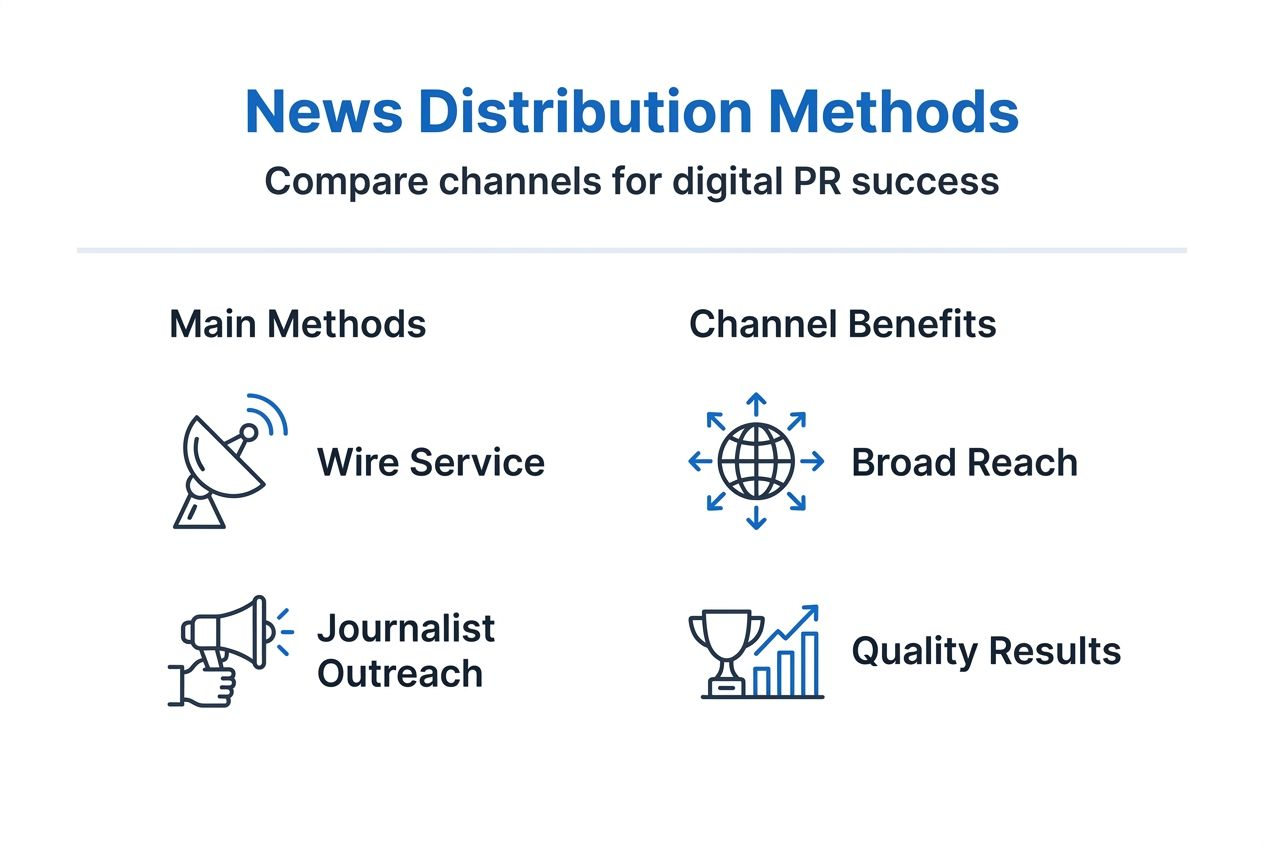
Three primary distribution methods serve different needs and budgets. Understanding their strengths helps you allocate resources effectively.
| Method | Pros | Cons | Best For |
|---|---|---|---|
| Wire Services | Broad reach, automation, guaranteed distribution | Moderate targeting, can be expensive, less personal | Product launches, financial news, wide announcements |
| Direct Outreach | High personalization, stronger relationships, better pickup rates | Time-intensive, requires research, limited scale | Exclusive stories, thought leadership, niche industries |
| Social Media | Enhanced visibility, audience engagement, cost-effective | Platform-dependent, organic reach declining, indirect media impact | Brand building, community engagement, amplifying existing coverage |
Wire services excel at distributing regulatory announcements and time-sensitive news that must reach many outlets simultaneously. They provide guaranteed placement on news sites and search engines, creating a permanent online record.
Direct journalist outreach delivers the highest quality results when done well. Personalized pitches to reporters who cover your industry generate significantly higher pickup rates than generic distribution. This method requires more effort but builds lasting media relationships.
Social media amplification works best as a complement to traditional distribution. Share your release on LinkedIn, Twitter, and industry forums to increase visibility and engagement. Social signals also help journalists discover your news organically.
Indian markets present unique considerations. Regional language media requires translated releases and culturally relevant angles. Major metros like Mumbai and Delhi have different media landscapes than tier-two cities. Explore distribution method options that address these regional nuances.
SMEs often benefit from combining affordable wire services with targeted direct outreach to key publications. Large enterprises might use comprehensive wire distribution plus dedicated PR teams for relationship management. Consult trusted PR services to determine the optimal mix for your situation.
Step-by-step guide to implementing effective news distribution in India
- Define clear objectives aligned with business goals. Decide whether you’re launching a product, announcing funding, building thought leadership, or managing a crisis. Each objective requires different distribution strategies.
- Segment target audiences for tailored messaging. Identify who needs to hear your news: industry analysts, potential customers, investors, or general consumers. Create audience personas with media consumption habits.
- Select channels based on audience, budget, and goals. Match distribution methods to where your audiences consume news. B2B audiences might favor trade publications and LinkedIn, while consumer brands need broader wire services and lifestyle media.
- Prepare high-quality, newsworthy press releases customized for segments. Write compelling headlines, lead with the most important information, include quotes from credible sources, and add multimedia elements. Follow the press release submission guide for formatting best practices.
- Distribute using both automated tools and personal outreach. Send wire service releases during optimal times (Tuesday through Thursday mornings work well in India). Follow up personally with priority journalists within 24 hours.
- Measure success with KPIs like media pickups, website traffic, social engagement, and share of voice. Set up Google Analytics tracking, monitor media mentions, and track social metrics to quantify impact.
- Review analytics regularly to fine-tune your distribution strategy. Identify which channels drive the best results, which topics resonate most, and which journalists consistently cover your news. Double down on what works.
Pro Tip: Create a master media list organized by publication, journalist name, beat coverage, and contact preferences. Update it quarterly as journalists change beats or publications. This living document becomes your most valuable distribution asset over time.
Metrics and best practices to measure news distribution success
Tracking the right metrics transforms guesswork into data-driven strategy. Focus on these key performance indicators:
| Metric | What It Measures | Why It Matters | Target Benchmark |
|---|---|---|---|
| Media Pickups | Number of outlets publishing your release | Direct measure of distribution reach | 10-30 pickups for wire services |
| Website Traffic | Visitors from press coverage | Tangible business impact | 20-40% traffic increase during campaigns |
| Social Engagement | Shares, comments, mentions | Audience resonance and amplification | 100+ engagements for mid-sized brands |
| Share of Voice | Your coverage vs. competitors | Market position and visibility | 15-25% in your category |
Media pickups indicate immediate distribution effectiveness. Count both online and print placements, noting whether they’re top-tier outlets or smaller blogs. Quality matters more than quantity, one placement in a major business publication outweighs ten on obscure websites.
Website traffic referrals prove business impact. Blending automation and human curation results in 50% higher efficiency, driving more qualified visitors to your site. Track which articles send the most traffic and what actions visitors take.
Social shares and comments reveal how well your news resonates. High engagement suggests you’ve hit a nerve with audiences. Low engagement might indicate poor timing, weak news angles, or wrong audience targeting.
Share of voice compares your media mentions to competitors. Track this monthly to understand your position in industry conversations. Growing share of voice indicates successful PR momentum.
Best practices for measurement:
- Set realistic KPIs based on your industry, company size, and historical performance
- Use media monitoring tools like Google Alerts or professional services for comprehensive tracking
- Report results weekly during active campaigns, monthly for ongoing efforts
- Compare performance across different distribution channels to optimize budget allocation
- Connect PR metrics to business outcomes like lead generation or sales when possible
Ongoing measurement drives smarter decisions about which channels to prioritize, what content resonates most, and where to invest future resources. Treat each campaign as a learning opportunity to refine your approach.
How India PR Distribution can help your news distribution efforts
Navigating India’s complex media landscape requires local expertise and established relationships. Professional press release distribution services simplify the entire process while delivering better results than DIY approaches.
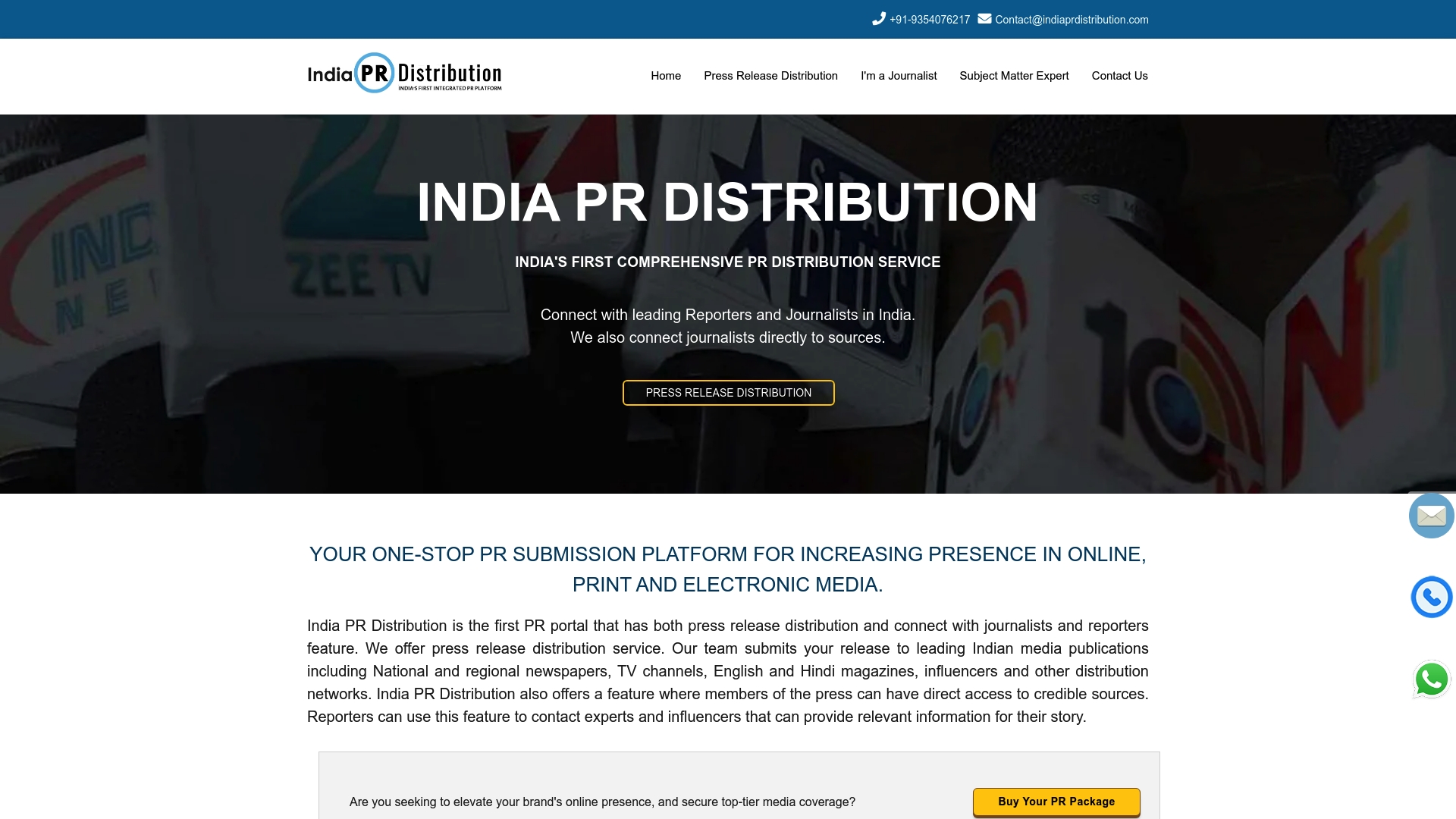
India PR Distribution specializes in the Indian market, understanding regional nuances, language preferences, and journalist relationships that generic international services miss. Their team knows which outlets cover specific industries and how to position your news for maximum pickup.
Their streamlined submission process lets you submit press release to media outlets quickly without managing hundreds of individual contacts. Focus on running your business while experts handle distribution strategy, timing, and follow-up.
With a trusted press release submission track record across industries, India PR Distribution helps businesses of all sizes achieve meaningful media visibility. Whether you’re launching a startup or managing corporate communications for an established brand, professional distribution amplifies your message effectively.
Frequently asked questions about what news distribution is
Q1. What is news distribution in digital PR?
Answer: News distribution is the strategic process of sharing press releases through targeted channels to reach media outlets, journalists, and audiences. Unlike mass emailing, effective distribution matches your message with relevant contacts who actually care about your industry and news type. Proper distribution combines wire services, direct journalist outreach, and social amplification to maximize media pickups and audience engagement.
Q2. How do I choose the right news distribution channels for my business?
Answer: Start by identifying where your target audience consumes news and which journalists cover your industry. B2B companies often prioritize trade publications and LinkedIn, while consumer brands need broader wire services and lifestyle media. Balance reach and personalization based on your budget, test different channels, and measure results to refine your approach. Regional considerations matter significantly in India’s diverse media landscape.
Q3. What metrics should I track to measure news distribution success?
Answer: Track media pickups to measure immediate reach, website traffic to prove business impact, and social engagement to gauge audience resonance. Monitor share of voice to understand your position versus competitors in industry conversations. Set realistic benchmarks based on your company size and industry, then compare results across campaigns to identify what works best. Regular measurement transforms distribution from guesswork into data-driven strategy.
Q4. Why does targeted distribution work better than mass emailing?
Answer: Journalists receive hundreds of pitches daily and ignore irrelevant messages. Targeted distribution respects their time by sending only newsworthy, relevant stories they might actually cover. This approach builds relationships and credibility instead of burning bridges through spam. Studies show personalized pitches to relevant journalists achieve 300% higher pickup rates than generic mass emails.
Q5. How often should businesses distribute press releases?
Answer: Quality matters infinitely more than frequency. Only distribute when you have genuinely newsworthy information like product launches, significant milestones, expert insights, or industry developments. Most businesses benefit from monthly or quarterly releases rather than weekly announcements that dilute your message. Consistent, high-quality releases build media relationships over time, while excessive distribution trains journalists to ignore you.