
1. What is Growth Hacking?

Growth hacking is a mindset and methodology focused on achieving rapid growth using creative, innovative, and data-driven tactics. It goes beyond traditional marketing by integrating multiple disciplines, including product management, engineering, and data analysis, to identify growth opportunities.
The Role of PR in Growth Hacking
PR can play a pivotal role in growth hacking by enhancing brand visibility and credibility. Media coverage, when executed well, can generate significant traction, leading to increased user acquisition, partnerships, and ultimately, revenue.
Why Media Coverage Matters for Startups
Startups often struggle with brand recognition and trust. Media coverage can provide the credibility needed to attract users, investors, and partners. A well-timed feature in a reputable publication can catapult a startup from obscurity to the spotlight.
Ready to Amplify Your Growth? Get Started with Our Expert PR Services—Visit IndiaPRDistribution.com Now!
2. Understanding the Basics of Public Relations
Defining Public Relations in the Modern Age
Public Relations involves managing a company’s reputation and communication with the public, including customers, investors, and the media. In today’s digital era, PR has evolved to include not just traditional media, but also social media, blogs, and influencers.
Key Components of Effective PR Strategies
- Message Crafting: Defining a clear, compelling message that resonates with your audience.
- Media Outreach: Identifying and reaching out to the right media outlets and journalists.
- Crisis Management: Preparing for and managing potential PR crises that could harm your brand’s reputation.
Traditional PR vs. Digital PR: What’s the Difference?
Traditional PR focuses on print media, television, and radio, while digital PR leverages online platforms such as social media, blogs, and digital publications. Digital PR allows for more direct engagement with audiences and often provides more measurable results.
3. How Media Coverage Fuels Growth Hacking
The Relationship Between PR and Growth Hacking
Growth hacking thrives on gaining attention and driving user acquisition quickly. PR can amplify these efforts by reaching wider audiences through media channels that are trusted and influential.
Case Studies: Brands That Leveraged PR for Growth
For example, Airbnb used PR to transition from a niche product to a global phenomenon by securing features in prominent media outlets. Another example is Dropbox, which used a referral program coupled with strategic media coverage to grow its user base exponentially.
Measuring the Impact of Media Coverage on Growth
Tools like Google Analytics, social media metrics, and media monitoring services can help track the impact of PR efforts on website traffic, user engagement, and conversions.
4. Crafting a Winning PR Strategy

Setting Clear PR Objectives
Before launching a PR campaign, it’s crucial to define what success looks like. Objectives could include increasing brand awareness, improving online reputation, or boosting sales.
Identifying Target Media Outlets and Journalists
Research which media outlets and journalists are most relevant to your industry and audience. Tailor your pitches to align with their interests and past coverage.
Building a Compelling Brand Story
A strong brand story can make your pitch stand out. Focus on what makes your product or service unique and how it solves a real problem for your target audience.
Boost Your Brand’s Visibility Today! Discover Our Tailored PR Solutions at IndiaPRDistribution.com.
5. The Art of the Perfect Pitch

Understanding What Journalists Want
Journalists receive hundreds of pitches daily. They are looking for stories that are newsworthy, relevant to their audience, and well-timed. Understand their beat and tailor your pitch accordingly.
How to Craft an Irresistible Pitch
Keep your pitch short and to the point. Include a catchy subject line, a brief introduction, the main story idea, and a call to action. Make it clear why your story is important and why it matters now.
The Do’s and Don’ts of Pitching
- Do personalize your pitch. Address the journalist by name and reference their previous work.
- Don’t send mass emails. Generic pitches are easily ignored.
- Do follow up, but don’t be a pest. One or two polite reminders are enough.
6. Creating a Press Kit That Stands Out

Essential Elements of a Press Kit
A press kit should include a company background, product information, press releases, high-resolution images, and contact details. It should provide journalists with all the information they need to cover your story.
Designing a Visually Appealing Media Kit
Use a clean, professional design with your brand colors and logo. Include high-quality images and make sure the document is easy to navigate.
Making Your Press Kit Easily Accessible
Host your press kit on your website in a dedicated media section. Include a downloadable PDF version and keep it updated with the latest information.
7. Leveraging Social Media for PR and Media Coverage
Using Social Media to Connect with Journalists
Many journalists are active on social media platforms like Twitter and LinkedIn. Engage with them by commenting on their posts and sharing relevant content. This can help build rapport before you send your pitch.
Building an Online Presence That Attracts Media
Consistently share high-quality content that showcases your expertise. Use social media to highlight customer testimonials, case studies, and news updates to position your brand as an industry leader.
Social Listening for PR Opportunities
Use tools like Hootsuite or Mention to monitor mentions of your brand, competitors, and industry topics. This can help identify opportunities for media coverage or influencer partnerships.
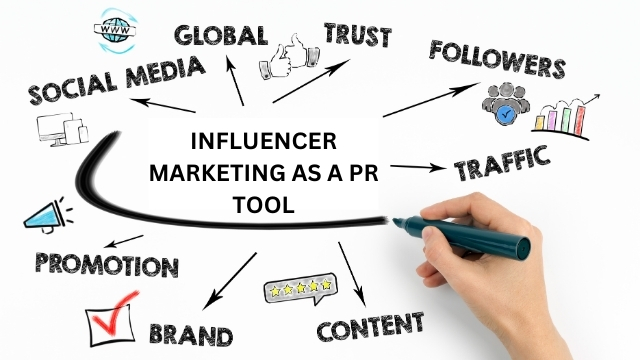
8. Influencer Marketing as a PR Tool
How Influencers Can Amplify Your PR Efforts
Influencers have loyal followings that trust their recommendations. Partnering with influencers can help amplify your message and reach new audiences.
Finding the Right Influencers for Your Brand
Look for influencers whose audience aligns with your target market. Analyze their engagement rates and past collaborations to ensure they are a good fit.
Creating Collaborative Campaigns for Maximum Impact
Work with influencers to create content that feels authentic and valuable to their followers. Co-create blog posts, videos, or social media content that tells your brand story.
Unlock Media Coverage That Matters! Learn More About Our Press Release Distribution Services at IndiaPRDistribution.com.
9. Building Relationships with Journalists and Media Outlets

Networking Tips for Connecting with Journalists
Attend industry events, join professional associations, and participate in online forums where journalists are active. Offer to help them with resources or expert quotes for their stories.
How to Maintain Long-Term Media Relationships
Stay in touch even when you don’t have a story to pitch. Share relevant industry news or research that could be of interest to them.
The Role of Media Relations in PR Success
Strong media relationships can lead to ongoing coverage and exclusive opportunities. Prioritize building trust and credibility with journalists over time.
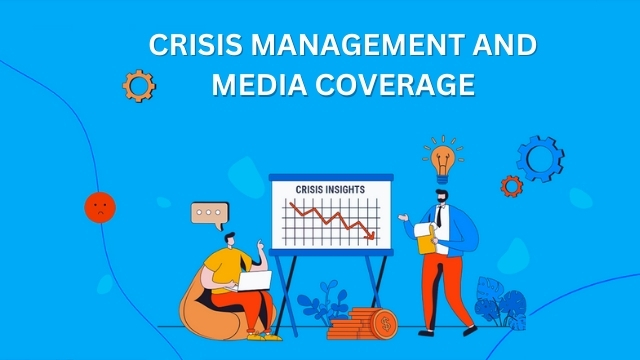
10. Crisis Management and Media Coverage
Preparing for Potential PR Crises
Identify potential risks and develop a crisis management plan. Assign a spokesperson, prepare holding statements, and establish a crisis communication team.
Effective Crisis Communication Strategies
Be transparent and take responsibility where necessary. Communicate promptly and consistently, keeping all stakeholders informed.
Turning a PR Crisis into a Growth Opportunity
If handled correctly, a PR crisis can become an opportunity to demonstrate your company’s values and resilience. A strong response can build trust and loyalty among customers.
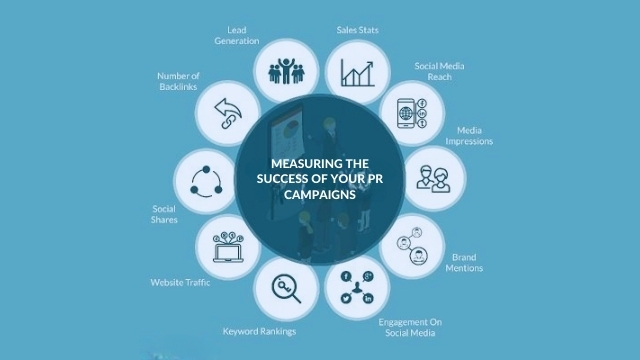
11. Measuring the Success of Your PR Campaigns
Key Metrics for Evaluating PR Performance
- Media Impressions: The number of times your story is seen.
- Social Media Engagement: Likes, shares, comments, and mentions.
- Website Traffic: Increase in visitors and time spent on your site.
- Lead Generation: Number of leads generated from media coverage.
Tools and Techniques for Measuring Media Coverage
Use media monitoring tools like Cision or Meltwater to track coverage. Google Analytics can show the impact of PR on website traffic and conversions.
Using Analytics to Refine Your PR Strategy
Analyze the data to understand which tactics are working and which aren’t. Adjust your strategy based on these insights to improve future campaigns.
Transform Your Startup’s Story into Headlines! Explore Our PR Packages at IndiaPRDistribution.com.
12. Common Mistakes in PR and How to Avoid Them
Overpromising and Under-delivering
Never exaggerate your claims. It can backfire and damage your credibility.
Ignoring Media Feedback
Listen to the feedback from journalists. It can provide valuable insights into what they are looking for and how you can improve your pitches.
Failing to Follow Up: A Missed Opportunity
If you don’t hear back after your initial pitch, a polite follow-up can sometimes make the difference. Be persistent, but not pushy.
13. Future Trends in PR and Media Coverage for Growth Hackers
The Rise of Digital PR
With the decline of traditional media, digital PR is becoming more important. This includes working with online publications, influencers, and social media platforms.
AI and Automation in PR
AI tools can help with media monitoring, sentiment analysis, and even crafting initial press releases. However, human creativity and relationship-building remain crucial.
The Growing Importance of Video and Visual Storytelling
Video content is more engaging and shareable than text. Growth hackers should leverage video for press releases, product demos, and behind-the-scenes stories.
14. Conclusion: The Roadmap to Effective PR for Growth Hacking

In conclusion, PR and media coverage are essential tools for growth hackers looking to build brand awareness, credibility, and customer trust. By understanding the nuances of PR, crafting compelling pitches, and building strong media relationships, growth hackers can amplify their impact and achieve sustainable growth.
Final Tips for Growth Hackers:
- Always be authentic in your messaging.
- Consistently monitor and refine your PR strategies based on performance data.
- Stay updated with PR trends and technologies to remain competitive.
Resources for Continued Learning and Improvement
Books like “The New Rules of Marketing & PR” by David Meerman Scott and online courses from platforms like Coursera and LinkedIn Learning can provide further insights into effective PR strategies.
Frequently Asked Questions About Growth Hacking
Q1. How does PR contribute to growth hacking?
Answer: PR helps build brand visibility and credibility, attracting new users and customers, which is essential for rapid growth.
Q2. What is the most important element of a PR strategy?
Answer: The most important element is a clear and compelling brand story that resonates with your target audience and differentiates you from competitors.
Q3. How can I measure the success of my PR efforts?
Answer: Success can be measured using metrics such as media impressions, website traffic, social media engagement, and lead generation.
Q4. What are some common PR mistakes startups make?
Answer: Common mistakes include overhyping their product, failing to follow up with journalists, and not preparing for potential PR crises.
Q5. How can social media be used for PR?
Answer: Social media can be used to engage with journalists, share your story, and amplify media coverage to a wider audience.