
Starting my freelance journey as a full-time product designer in 2018 was one of the most transformative decisions of my career. Since then, my entrepreneurial path has been shaped by various challenges and learning moments. Whether you’re just starting out as a freelancer or thinking about making the leap, I want to share four key lessons I’ve learned over the past few years. These insights have been crucial to my growth and success, and I hope they can help guide you on your own freelance journey.
Lesson 1: A Routine Beats a To-Do List
When working remotely, especially from home, it’s incredibly easy for the day to spiral out of control. You start the morning ready to tackle your to-do list, fueled by coffee and ambition. But as emails pile up, urgent messages come in, and unexpected meetings crop up, you find yourself overwhelmed, with your once-productive day slipping away.
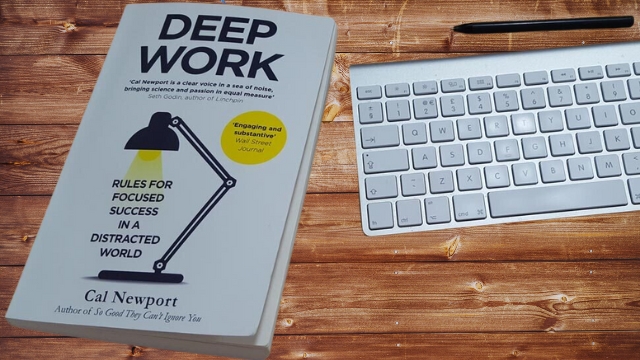
I’ve learned that relying on a routine is far more effective than simply creating a daily to-do list. As a freelancer, you are entirely responsible for managing your time. To ensure I stay focused, I adopted time blocking, a strategy I learned from Cal Newport’s book Deep Work. With time blocking, you schedule specific tasks into your calendar, assigning time slots for each activity. This method helps you prioritize deep work and prevents distractions from hijacking your day.
For example, I block off mornings for creative work and afternoons for administrative tasks like answering emails or attending meetings. Having a routine ensures that you remain on track and achieve more meaningful work throughout the day.
Lesson 2: Income Fluctuations Are the Norm
Before I embarked on freelancing, I had a naive expectation of steady income. However, the reality is much more unpredictable. Every freelancer experiences “dry months” – those frustrating stretches between projects where income is scarce.
The key to surviving the financial ups and downs is preparation. Here are a few strategies that have worked for me:
- Create a budget: A realistic budget is crucial for navigating inconsistent income. Plan for both high-earning and low-earning months, and avoid overspending when business is booming.
- Build a savings cushion: Having an emergency fund offers peace of mind during slow periods.
- Diversify income streams: Explore opportunities beyond client work. Passive income, such as selling digital products, creating online courses, or starting a YouTube channel, can provide additional revenue. For me, branching into tech-related videos helped diversify my income and open new doors.
Managing finances can be intimidating, but there are great resources available to help. I highly recommend HubSpot’s financial planning templates, which offer a streamlined way to manage both personal and business finances. They’ve been a game-changer for me, and I’ve included a link to these templates for those who are interested.
Lesson 3: Building Your Presence is Crucial
To attract clients, you need to make yourself visible. In the digital age, having a website is essential, but simply creating a portfolio isn’t enough. You need to actively drive traffic to your site and establish a strong online presence.
Social media has become one of the most powerful tools for freelancers to build a personal brand and showcase expertise. Whether it’s sharing design tips on Instagram, posting case studies on LinkedIn, or writing blog articles like this one, you can connect with a broader audience and position yourself as an authority in your industry.
When I first started out, I focused on moving followers into clients by consistently sharing my story, insights, and knowledge. The more value I provided, the more trust I built, which led to opportunities with clients who truly appreciated my skills.
Tools like LinkedIn and HubSpot’s real-time analytics and revenue attribution reports are incredibly helpful for measuring the impact of your marketing efforts. These insights allow businesses of all sizes to refine their strategies and maximize ROI. I’ve linked an e-book from HubSpot that dives deeper into how you can use these tools to boost your marketing efforts.
That said, you don’t need to be active on every platform. Focus on the channels that resonate with you and your audience. Your next client could be one post away.
Lesson 4: The Power of Saying No
As a freelancer, especially in the beginning, it can be tempting to accept every project that comes your way. But I’ve learned that saying no can be just as important as saying yes.
Not every project is a good fit. Sometimes, the work doesn’t align with your long-term goals, or the client’s vision clashes with your own. By turning down projects that don’t excite you or don’t contribute to your objectives, you free up time and energy for opportunities that truly matter.
Saying no can feel risky, especially when income is uncertain. However, prioritizing your time and focusing on projects that align with your passion and goals leads to greater satisfaction and success in the long run.
For example, early in my career, I took on projects that didn’t align with my interests just to fill my schedule. Over time, I realized these uninspiring tasks were draining my creativity. Once I started being more selective, I was able to take on more fulfilling projects and build longer-lasting client relationships.
Freelancing as a product designer has been an incredibly rewarding experience, but it comes with its share of challenges. By establishing a routine, preparing for income fluctuations, building an online presence, and learning to say no, I’ve been able to navigate the ups and downs of entrepreneurship.
Whether you’re just starting your freelance journey or are a seasoned entrepreneur, I hope these lessons provide some valuable insights to help you thrive in your own business.
Conclusion
Freelancing offers freedom, flexibility, and the opportunity to build a career on your terms. By mastering time management, preparing for income fluctuations, building a strong online presence, and learning to say no, you can navigate the freelance world with confidence.
Frequently Asked Questions About Product Designer
Q1. How can time blocking improve productivity?
Answer: Time blocking helps by organizing your day into focused chunks of time, allowing you to prioritize tasks without distractions.
Q2. How do freelancers manage income fluctuations?
Answer: Freelancers can manage income fluctuations by creating a realistic budget, saving for slow months, and diversifying income streams.
Q3. What’s the best way to build an online presence as a freelancer?
Answer: Focus on consistently sharing valuable content on platforms that resonate with your audience and building your expertise in your industry.
Q4. How do I determine which projects to turn down?
Answer: Evaluate whether a project aligns with your long-term goals and interests. If it doesn’t, it’s okay to decline and prioritize work that does.
Q5. What are some passive income opportunities for freelancers?
Answer: Passive income opportunities include selling digital products, creating online courses, starting a YouTube channel, and affiliate marketing.